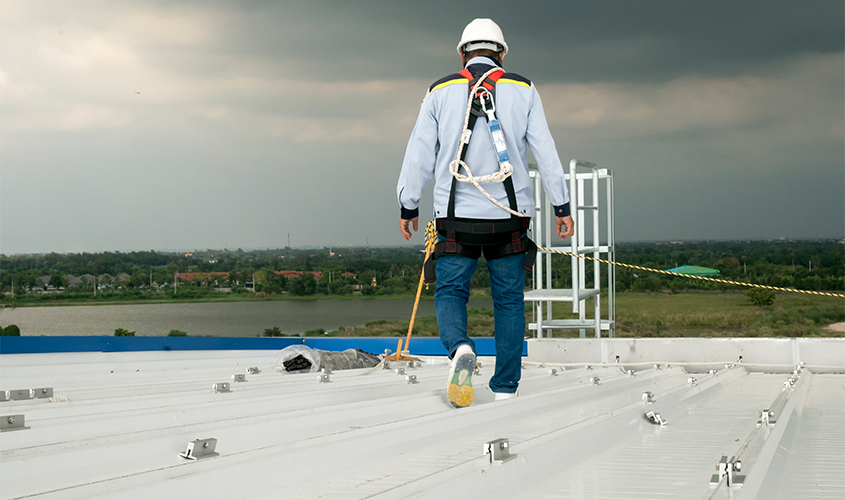
Industrial roofing projects demand precision, coordination, and above all, strict adherence to safety standards. Every project across Alberta requires contractors to meet defined regulations that protect workers and preserve the structural integrity of large-scale facilities.
Partnering with trusted Alberta roofing contractors who understand industrial roofing safety standards helps ensure that every installation or repair meets these vital requirements while keeping crews and job sites secure.
For Alberta’s industrial sector, roofing safety compliance is not optional; it’s a legal and moral obligation that directly influences project timelines, cost control, and worker wellbeing.
In this blog, we’ll speak about the essential safety standards guiding industrial roofing services in Alberta, from fall protection systems to the importance of certified crews in high-risk environments.
The Importance of Safety in Industrial Roofing
Industrial roofs are among the most complex and hazardous work environments. The scale, materials, and environmental conditions in Alberta make them uniquely challenging. Workers operate at significant heights, handle heavy materials, and often contend with strong winds or icy conditions. Without stringent safety measures, these factors can quickly escalate into serious incidents.
The Alberta Occupational Health and Safety (OHS) Code outlines clear expectations for all roofing contractors. Part 9 of the Code specifically focuses on fall protection, establishing the threshold height at which safety systems are mandatory. It requires every employer to assess the risks associated with working at heights and to implement adequate fall protection and rescue plans.
Key Job-Site Safety Requirements for Industrial Roofing
Industrial roofing involves multiple trades and complex coordination. To maintain safety and compliance, contractors must follow a detailed plan that includes hazard assessments, fall protection strategies, and continuous training.
Successful projects rely on collaboration between supervisors, workers, engineers, and safety officers. Every stage, from material delivery to final inspection, requires clear communication and strict adherence to the OHS Code.
Establishing this coordination ensures hazards are identified early, risks are minimized, and each task is completed in accordance with provincial roofing safety compliance standards.
1. Comprehensive Hazard Assessment
Before any work begins, a formal hazard assessment must identify all potential risks, from unguarded edges to unstable surfaces. Each identified hazard should be assigned a control measure, such as guardrails, warning lines, or designated safe zones. This assessment ensures that everyone on-site understands the risks and the precautions in place.
2. Use of Proper Fall Protection Systems
Any work performed at three metres or higher requires an approved fall protection system. This may include guardrails, travel restraint systems, or personal fall-arrest systems.
Equipment such as harnesses, lanyards, and anchors must meet the strength and durability requirements set by provincial standards. Regular inspections help ensure no component is worn or damaged before use.
3. Certified Training and Supervision
Every worker on an industrial roofing site must complete fall protection and site-specific training. Supervisors are responsible for ensuring compliance, enforcing safe work practices, and maintaining documentation.
Certification programs ensure that workers understand how to inspect and use equipment correctly, recognize hazards, and respond effectively to emergencies.
4. Safe Access and Material Handling
Safe access points such as ladders, scaffolds, and hoists must comply with OHS regulations. Materials should be secured to prevent slips or falls during lifting and movement. Heavy-duty equipment used for transporting materials across the roof must be inspected daily, ensuring it operates safely under load.
5. Communication and Emergency Planning
Clear communication is essential. Job sites must have radios or other reliable communication systems for coordination, especially during high-risk tasks. Emergency rescue plans must be developed and practiced so that all workers know how to respond in case of a fall or medical incident.
Why Certified Crews Make the Difference
Not every roofing crew is trained to handle industrial environments safely. Certified crews are essential because they combine technical expertise with a deep understanding of OHS regulations. In Alberta, certification programs focus on hazard recognition, emergency procedures, equipment use, and safe work practices.
A certified crew is better equipped to manage the unique challenges of industrial roofing, such as large spans, complex ventilation systems, and high load requirements. Their training ensures that safety procedures are followed consistently, reducing the likelihood of accidents and delays.
Certified supervision also reinforces accountability. Site leads document safety checks, verify crew training records, and ensure that rescue equipment is available and functional. This combination of oversight and expertise keeps operations compliant and efficient.
Safety Compliance and Legal Responsibility
In Alberta, both the contractor and the property owner share responsibility for maintaining safety standards on-site. The OHS Code clearly states that employers must provide a safe work environment and that workers must comply with established procedures. Non-compliance can lead to fines, legal action, and project shutdowns.
For industrial roofing, documentation is key. Daily safety logs, inspection reports, and hazard assessments must be readily available. Regular audits help verify compliance and identify areas for improvement. Contractors who integrate these procedures into every project demonstrate reliability and professionalism; these are the qualities clients value highly when selecting a roofing partner.
Maintaining roofing safety compliance is also critical for insurance and liability coverage. Insurers often require proof of training, safety programs, and maintenance logs before providing full coverage for industrial projects. A well-managed safety program, therefore, protects both workers and the business itself.
Building a Culture of Safety
The best safety systems are supported by a strong safety culture. It begins with leadership that prioritizes worker wellbeing and continuous improvement. Management must invest in training, maintain open communication, and reward proactive safety behaviour.
On an industrial roofing site, this culture is visible through daily safety meetings, job-site inspections, and ongoing professional development. Workers are encouraged to report hazards, suggest improvements, and participate in decision-making.
When safety becomes part of daily operations rather than a checklist, it drives better outcomes for everyone involved.
Seasonal Challenges in Alberta’s Industrial Roofing
Alberta’s climate adds another layer of complexity to safety planning. Strong winds, sudden temperature drops, and heavy snowfall can compromise stability and visibility. Contractors must adapt their safety protocols based on weather conditions.
Before winter, roof surfaces should be cleared of ice and snow to maintain traction. Cold temperatures can affect equipment performance, so components like harness buckles and anchors should be tested to ensure they operate correctly. Regular communication during harsh weather conditions helps crews remain aware of changing risks.
The Long-Term Value of Safety Compliance
A strong safety record is not only about preventing injuries, it is also an indicator of overall project quality. Industrial facilities that work with compliant contractors often see fewer project delays, longer roof lifespans, and lower maintenance costs.
By enforcing proper standards, you reduce the risk of structural damage, equipment loss, and legal penalties. More importantly, a commitment to safety demonstrates respect for every professional on-site and reinforces confidence among clients and stakeholders.
Conclusion
Safety is the backbone of every successful industrial roofing project. Meeting Alberta’s standards requires planning, discipline, and the right team. By conducting detailed hazard assessments, implementing robust fall protection systems, and ensuring every worker is properly trained and certified, roofing contractors protect their crews and the facilities they serve.
Choosing partners who prioritize safety ensures your project remains compliant, efficient, and built to last in Alberta’s demanding climate.
About Us
J & D Independent Roofing has over 30 years of experience and more than 3,000 completed projects across Western Canada. Our company is built on a foundation of safety, precision, and long-term reliability. Every project is handled by certified professionals who follow strict occupational health and safety standards to ensure secure work sites and lasting results.
We use proven systems such as SBS torch-on and built-up roofing to deliver durable solutions that perform in Alberta’s demanding climate. Whether managing large industrial facilities or small commercial properties, our focus remains on quality workmanship, transparent communication, and on-time delivery.
Learn more about our values and expertise, or connect with our team to discuss your next roofing project.